 Savings offer
 Call us at 1-833-ZEPOSIA
 Other uses
 Like us on Facebook
 Follow us on Instagram
Show your
Zest
Don’t let UC
stop you
from doing you
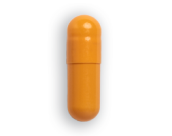
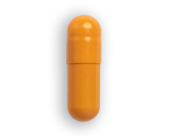
ZEPOSIA is a once-daily pill indicated for the treatment
of adults with moderate to severe ulcerative colitis (UC).
Show your
Zest
Don’t let UC
stop you
from doing you

ZEPOSIA is a once-daily pill for UC—not an injection or an infusion.

ZEPOSIA
can help people achieve and maintain
remission, while reducing symptoms in as early as 2 weeks*†
*Individual results may vary.
†Reduces symptoms of
rectal bleeding and
stool frequency.

ZEPOSIA is different—it's not a biologic, a 5-ASA, or a steroid.

See what makes ZEPOSIA the first and only ulcerative colitis treatment of its kind.‡
‡ZEPOSIA is the first and only S1P receptor modulator approved for UC.

Get the facts with a quick rundown of what makes ZEPOSIA a treatment option you should consider.

Our support program is with you every step of the way, including a dedicated UC Nurse Navigator to provide financial and insurance assistance, and more.

Learn how you can save on your ZEPOSIA prescription costs with a co-pay savings offer.§
§Program terms and eligibility criteria apply.

At Bristol Myers Squibb, we understand that during the COVID-19 pandemic we all must take extra precautions when it comes to our health, including limiting contact with others. With ZEPOSIA, some people may be able to start treatment without leaving their home.∥
∥
Home visits for initial routine
medical tests are not available to people enrolled in Medicare,
Medicaid, or other federal or state
healthcare programs, or to people living in Rhode Island.
Collapse

Do not take ZEPOSIA if you:
Talk to your healthcare provider before taking ZEPOSIA if you have any of these conditions or do not know if you have any of these conditions.
ZEPOSIA may cause serious side effects, including:
Call your healthcare provider right away if you have any of these symptoms of an infection during treatment with ZEPOSIA and for 3 months after your last dose of ZEPOSIA:
Your healthcare provider may delay starting or may stop your ZEPOSIA treatment if you have an infection.
Call your healthcare provider if you experience the following symptoms of slow heart rate:
Follow directions from your healthcare provider when starting ZEPOSIA and when you miss a dose.
Continue reading for additional possible serious side effects of ZEPOSIA.
Before taking ZEPOSIA, tell your healthcare provider about all of your medical conditions, including if you:
Tell your healthcare provider about all the medicines you take or have recently taken, including prescription and over-the-counter medicines, vitamins, and herbal supplements. Using ZEPOSIA with other medicines can cause serious side effects. Especially tell your healthcare provider if you take or have taken:
You should not receive live vaccines during treatment with ZEPOSIA, for at least 1 month before taking ZEPOSIA and for 3 months after you stop taking ZEPOSIA. Vaccines may not work as well when given during treatment with ZEPOSIA.
ZEPOSIA can cause serious side effects, including:
The most common side effects of ZEPOSIA can include:
These are not all of the possible side effects of ZEPOSIA. For more information, ask your healthcare provider or pharmacist.
Call your healthcare provider for medical advice about side effects. You may report side effects to FDA at 1-800-FDA-1088 1-800-FDA-1088.
Multiple Sclerosis (MS): ZEPOSIA® (ozanimod) is a prescription medicine used to treat relapsing forms of multiple sclerosis (MS), to include clinically isolated syndrome, relapsing-remitting disease, and active secondary progressive disease, in adults.
Ulcerative Colitis (UC): ZEPOSIA is a prescription medicine used to treat moderately to severely active ulcerative colitis (UC) in adults.
It is not known if ZEPOSIA is safe and effective in children.
Please see full Prescribing Information and Medication Guide.

Do not take ZEPOSIA if you:
Talk to your healthcare provider before taking ZEPOSIA if you have any of these conditions or do not know if you have any of these conditions.
ZEPOSIA may cause serious side effects, including:

